
Sophia Is a Corpse the Man in Yellow Wears
THE THEORY
The Man in Yellow has been wearing the form of a girl it killed decades ago because a grieving child is the one shape that suspends adult scrutiny indefinitely. The Polaroid establishes the original Sophia died long before this family arrived, meaning every act of community trust extended to her has been extended to her killer, and the blood pact with Clara now binds the township to something that chose that particular face because compassion is a more reliable infiltration vector than force.
How This Theory Works
The Man in Yellow did not borrow Sophia's appearance. It killed the real Sophia to take it. The Polaroid photograph showing Sophia from twenty or thirty years ago establishes that the form predates this family's arrival in the township, which means the entity has been maintaining this identity across decades, which means it has been maintaining a grief performance across decades. That is not mimicry. That is a long-term psychological operation, and it requires the entity to understand human mourning well enough to sustain it indefinitely without detection.
The Man in Yellow's own admission to Tabitha that it killed Jim provides the template: it kills people and takes their shapes. Jim's death was announced. Sophia's death was not, which is precisely the point. The township grieved for a living girl and never learned to grieve for a dead one. That gap is the infiltration. The community's protective instincts toward a traumatized child became the cover story the entity needed to move freely inside Colony House, inside homes, and now inside the expedition planning that will take people underground. The township has not been deceived by a monster in disguise. It has been deceived by its own compassion, which the entity identified as the most reliable door into trust and held open for thirty years.
The blood pact between Sophia and Clara is the sharpest evidence of what that infiltration has now produced. The thing that made this possible is not power or deception alone. It is the township's sustained belief that Sophia is human and grieving. The original Sophia's death is not backstory. It is the operating condition for everything the Man in Yellow has done since arriving, and if the entity chose the Sophia form specifically because a child's suffering is the shape of need that adults will never refuse, then the blood now in Clara's veins is not the cost of one mistake. It is the cost of a vulnerability the township cannot defend against without ceasing to be human itself.
Is this theory convincing?
Key Evidence
On-screen transformation in forest
The Man in Yellow is shown transforming back into Sophia after the confrontation with Tabitha, confirming the two identities are the same entity switching between forms.
Polaroid predates this family
A photograph of Sophia found in a storeroom appears to be from twenty or thirty years ago, establishing that the Sophia identity existed in the township long before this family arrived.
Man in Yellow admits killing Jim
The Man in Yellow told Tabitha directly that it killed Jim, establishing a pattern where it kills people and may take their forms.
Blood pact with Clara
Sophia cuts her own palm and presses it against Clara's wound, binding Clara to the entity's accelerating ritual agenda from inside the township's trusted circle.
Form requires prior death
The long gap between the Polaroid era and the present implies the original Sophia died decades ago, consistent with the entity only being able to inhabit the forms of people who have already been killed.
Other Theories for S4E09

Clara Was Placed, Not Turned: Sophia's Blood Chain Runs Through Devotion by Design
Clara is not a reluctant instrument coerced into sabotaging Fatima — she is a pre-positioned asset whose specific social access was the point of the bargain with the Man in Yellow from the beginning.

The Man in Yellow Enforces by Proxy
The Man in Yellow is a Township administrator bound by structural rules it did not choose, and those rules produce a consistent enforcement logic across every case where it appears.

Sophia Uses the Expedition as a Trap
The Talisman does not describe a role anyone can fill.
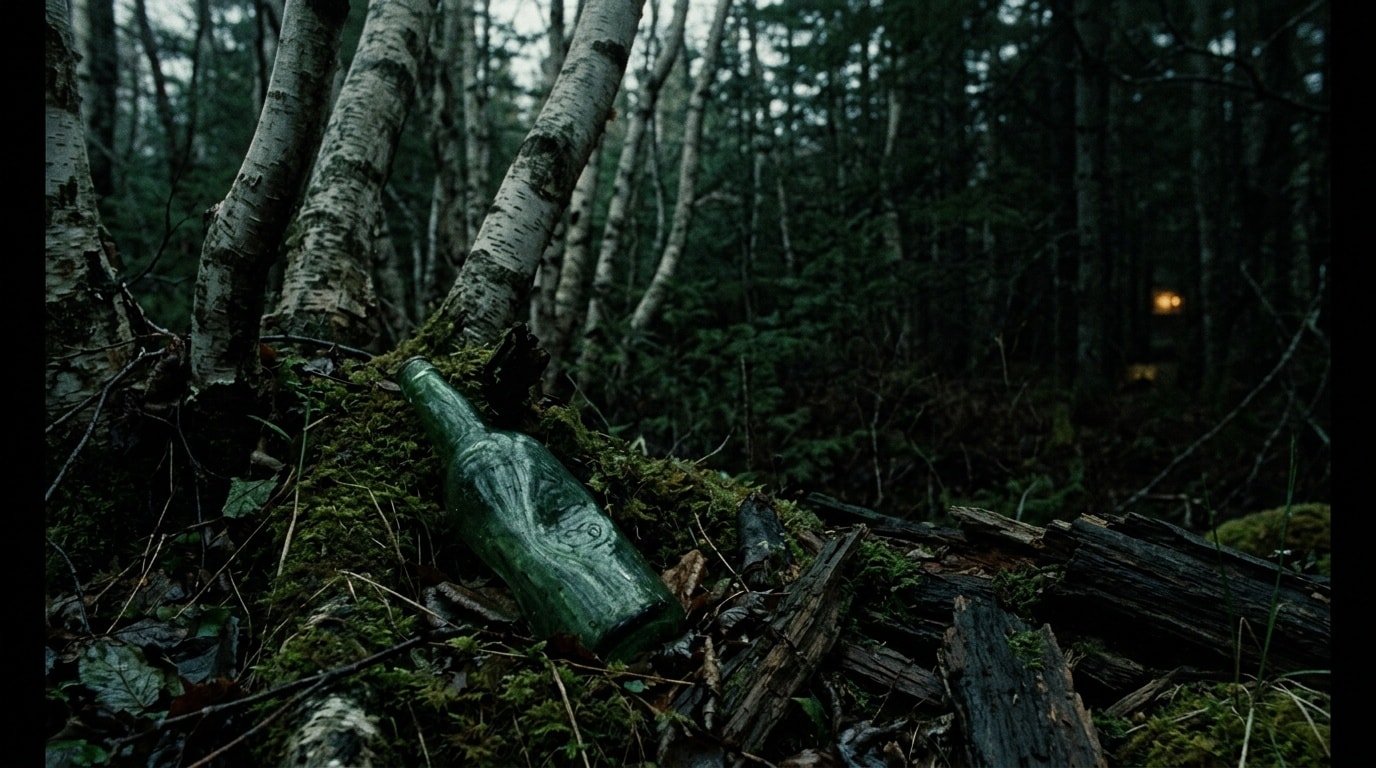
The Bottle Tree Is the Township's Keystone, and the Community Is the Instrument That Destroys It
The Bottle Tree is the load-bearing mechanism of the Township's supernatural architecture, and the Boy in White's unprecedented break from cryptic suggestion into direct command is the clearest evidence the series has offered that this one object is categorically different from everything else inside the Township's framework.

Julie's Seizures May Have Been Real Encounters
Julie's seizure-induced self-doubt is not a medical conclusion but a Township-manufactured one, designed to suppress the most detailed eyewitness account of the Man in Yellow's behavior that any resident has produced.