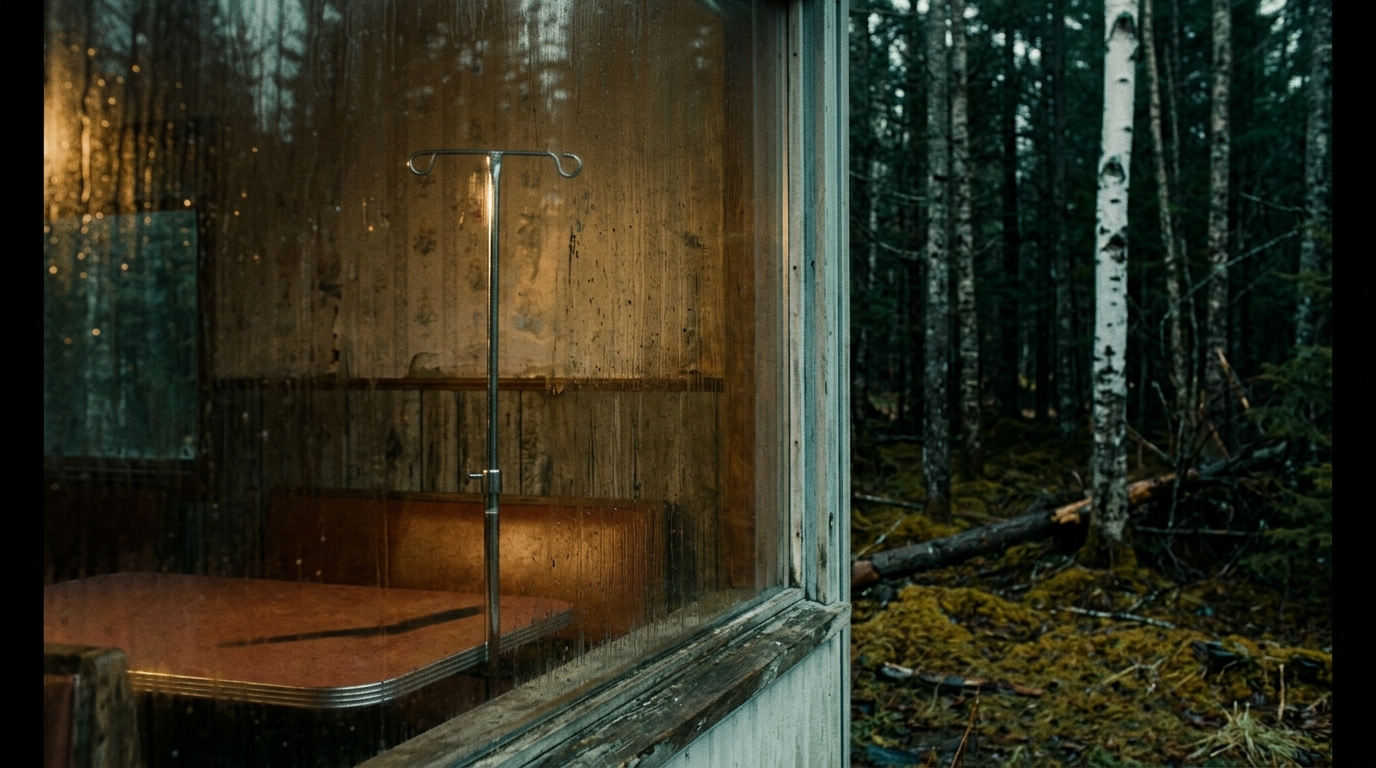
Donna's Near-Death Opened a Forbidden Window
THE THEORY
Donna did not have a vision. She died, and the Township has been building toward exactly that threshold. Whatever she experienced in those minutes without a pulse will be the most specific and credible account of the Township's true nature the show has yet produced, delivered by the one character no one can accuse of wishful thinking.
How This Theory Works
The Township does not distribute its knowledge equally. Seizures, visions, and dream states are not random horror. They are calibrated deliveries, tuned to specific recipients at moments of neurological and psychological vulnerability. That pattern has a clear trajectory, and Donna's cardiac arrest is where it terminates. Every prior revelation channel the show has used puts a character near the threshold. Donna crossed it. Her pulse was absent for a medically significant interval, long enough that Kristi could not confirm whether her brain had survived intact. That gap is not incidental to the story. It is the story.
Boyd's refusal to stop matters less as medicine than as narrative permission. The show chose to bring her back. That choice carries weight. A character who glimpses something through a seizure is standing at the door. A character who dies and returns has been on the other side of it.
What makes this dangerous is not that Donna may have seen something. It is who Donna is. She is the Township's most practically-minded survivor. She broke down asking how residents could be shielded from nightmares made real, which is as close to the irrational as she gets. She does not search for meaning in what she cannot explain. She reports what is in front of her. If the Township placed something in her path during those minutes, she will not soften it, contextualize it, or let it dissolve into metaphor. She will say exactly what it was.
That is the sharpest pressure point in this theory. Every prior revelation in the show can be quarantined. A seizing character might be unstable. A dreaming character might be projecting. Donna cannot be dismissed on those terms. The audience has spent seasons learning that her assessments are reliable. Whatever she names, it will land as fact. The show may be using her death and revival not just to raise stakes but to finally allow its central mystery to be spoken plainly, by the one witness whose credibility it has been building since the beginning.
Is this theory convincing?
Key Evidence
Donna's Confirmed Clinical Death
Donna experiences a cardiac arrest, loses her pulse entirely, and remains unresponsive despite CPR for a significant duration before being revived with the defibrillator and Boyd's continued intervention.
Kristi's Uncertainty About Recovery
Kristi explicitly states she does not know how long Donna's brain was deprived of oxygen and cannot confirm whether Donna will wake up, establishing that something meaningful may have occurred in that interval.
Township's Altered-State Revelation Pattern
Across prior episodes, seizures, visions, and dream states have served as the Township's primary mechanism for delivering information about its nature to selected individuals, establishing a consistent pattern that near-death could extend.
Boyd's Refusal to Accept Her Death
Boyd refuses to stop CPR and orders Donna to wake up, and her pulse returns in direct response to his continued intervention, suggesting the revival carries narrative weight beyond mere medical procedure.
Donna as Most Grounded Survivor
Donna breaks down asking how residents can be protected from nightmares made real, establishing that even the Township's most practically-minded leader has reached the limit of rational response, making her a credible witness for anything experienced during her death.
Other Theories for S4E06
Fear Dies With You, Then Walks
Every death inside the Township does not end a fear but releases it, converting the dying person's nightmares into a new lethal entity inside the Forest.

Boyd's Sledgehammer Confirms Jade's Vision
Retrieving the bones of the Ghoulish Children through the tunnels will actually unbind their spirits from the township.

Sophia's Blood Is Henry's Breaking Point
Sophia is running a proven destabilization protocol on Henry, the same method that drove Abby to violence, and she timed it for the precise moment every person capable of containing the fallout has been removed from position.

Sophia's Blood Seals Henry as Target
Sophia's blood in Henry's drink was not a poisoning but a ritual transfer, designed to bind him to the same force she serves or embodies, using his grief over the Man in Yellow as the psychological aperture the act requires.
Donna's Body Broke Where Her Armor Did
Donna's heart attack was triggered not by cumulative stress but by the specific realization that nightmares had become undefendable threats, exposing that her composure was never emotional resilience but absolute dependence on the existence of manageable protocol.

Roger's Corpse Was Remade as a Doll
The dolls are converting the Township's dead into their own kind, not killing indiscriminately but performing a repeatable ritual that remakes corpses in the image of the attackers.

The Bones Mission Costs More Than Boyd Knows
Jade's bones mission is structurally compromised before it begins because it depends on an assumption the show has never validated: that the town wants the Ghoulish Children disturbed.
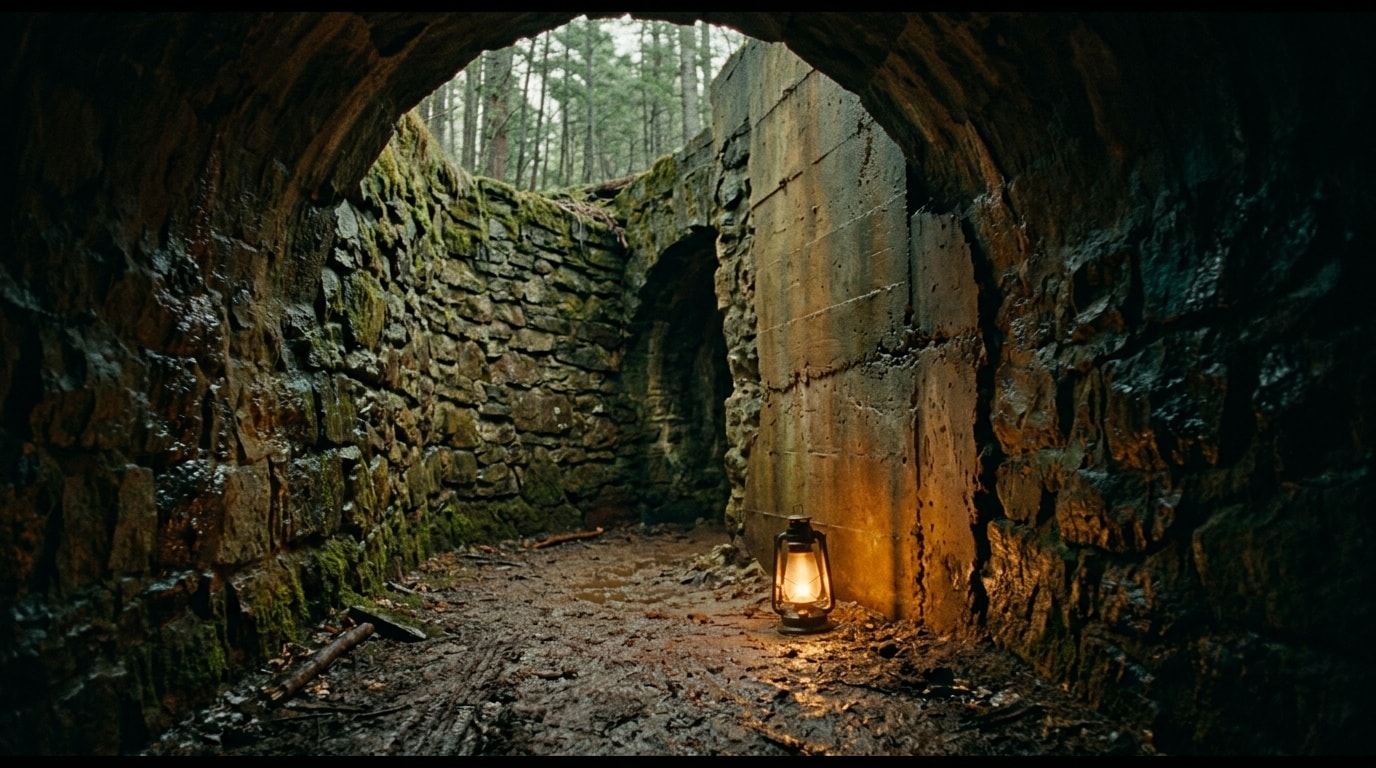
The Door Exists Somewhere Else
Jade's mushroom vision was accurate.