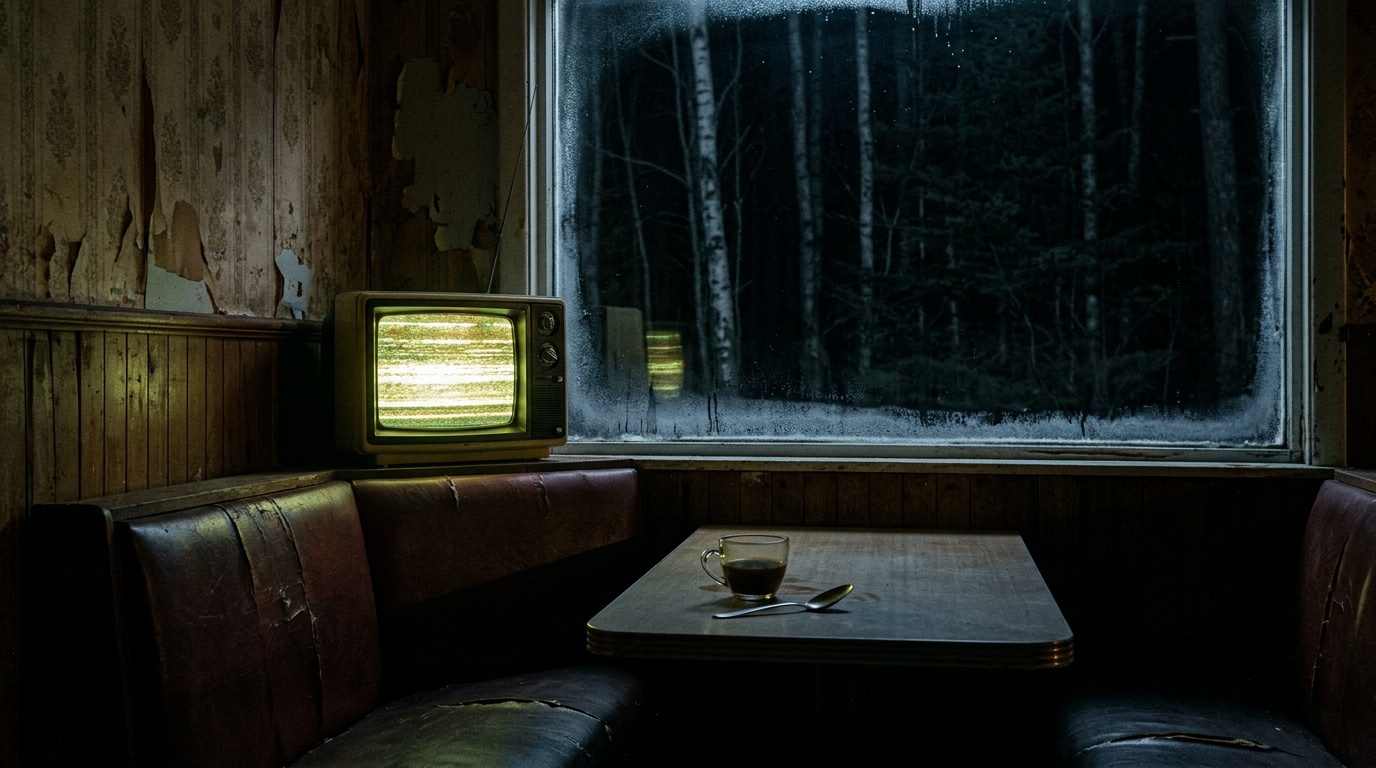
The Ruins Actively Suppress Those Who Enter
THE THEORY
The ruins actively overwrite conscious experience in those who cross their threshold, substituting induced dream states for waking observation rather than simply incapacitating the person. Julie's immediate blackout at the moment of entry, paired with a constructed dream and zero physical trauma, indicates the site is not suppressing perception but redirecting it. The specific content of what the ruins showed Julie is the evidence the show is most deliberately withholding.
How This Theory Works
The ruins function as a trigger, not a setting. Julie does not black out near the ruins or approaching them. She blacks out the moment she steps inside. That precision matters. It is not ambient dread or proximity that drops her. The threshold itself is the mechanism. This is not consistent with psychological fragility or coincidence. It points to a site that responds to presence.
Randall's testimony sharpens this. He cannot explain why the ruins felt wrong, only that they did, viscerally enough to warn Julie away. He is not prone to supernatural sensitivity the way Elgin or Victor are. His unease appears to be the ruins acting on him at a lower register, a warning signal rather than a full suppression event. The difference in effect between Randall and Julie may indicate that the ruins calibrate their response to something specific about the person entering.
Kristi finds no signs of trauma. That clinical absence is the detail that closes off the psychological exit. The show has established that the town's supernatural events tend to leave marks, on bodies, on memory, on the landscape. A blank medical finding is not reassurance. It is a gap where an explanation should be. The ruins did something to Julie that medicine cannot see, which means the ruins are doing something the show has not yet named.
The blackout left no physical trace, but Julie did not experience nothing. She experienced something constructed, a dream state that arrived precisely when she crossed the threshold and ended when she was removed from it. That is not unconsciousness. That is the ruins replacing her waking experience with something else, which means the suppression is not about shutting Julie down but about substituting one kind of access for another. The ruins are not a barrier. They are an interface. Whatever Julie was shown in that induced state is the mechanism the show is withholding, and the specific content of that dream is not a minor loose end but the most direct transmission the ruins have so far produced. The show's pattern of suppressing that content mirrors exactly what the ruins themselves did to Julie: replace direct observation with a controlled substitute and delay handing over what was actually seen.
Is this theory convincing?
Key Evidence
Blackout at Threshold Crossing
Julie reports that she walked to the ruins, stepped inside, and immediately blacked out, with the loss of consciousness occurring precisely at the moment of entry rather than before or after.
Randall's Unexplained Dread
Randall confesses he told Julie not to go to the ruins because they inexplicably felt wrong, despite being unable to provide any rational explanation for that feeling.
No Physical Trauma Detected
Kristi examines Julie after the blackout and observes no signs of trauma, ruling out a physical explanation and leaving the cause of the blackout unaccounted for.
Julie's Weird Dream During Blackout
Julie acknowledges she had a weird dream while unconscious inside the ruins, suggesting the blackout was not simply an absence of experience but an induced altered state.
Ruins as Destination Without Explanation
Randall states he was teaching Julie to drive when they ended up at the ruins, implying neither of them consciously chose the destination, which suggests the location drew them rather than being sought out.
Other Theories for S3E09

The Ruins Reopened Sara's Communication Channel
The ruins function as an enrollment mechanism the governing intelligence uses to reactivate or establish communication relays in selected individuals, not merely as a dangerous location.

Fatima Is the Creatures' Trap for Boyd
The creatures are not hiding Fatima from Boyd.

Elgin Is Running a Development Program He Experiences as Compassion
The Kimono Woman entity did not persuade Elgin to protect the baby; it rewrote the framework inside which his judgment operates, replicating the exact mechanism used on Sara in Season 1.
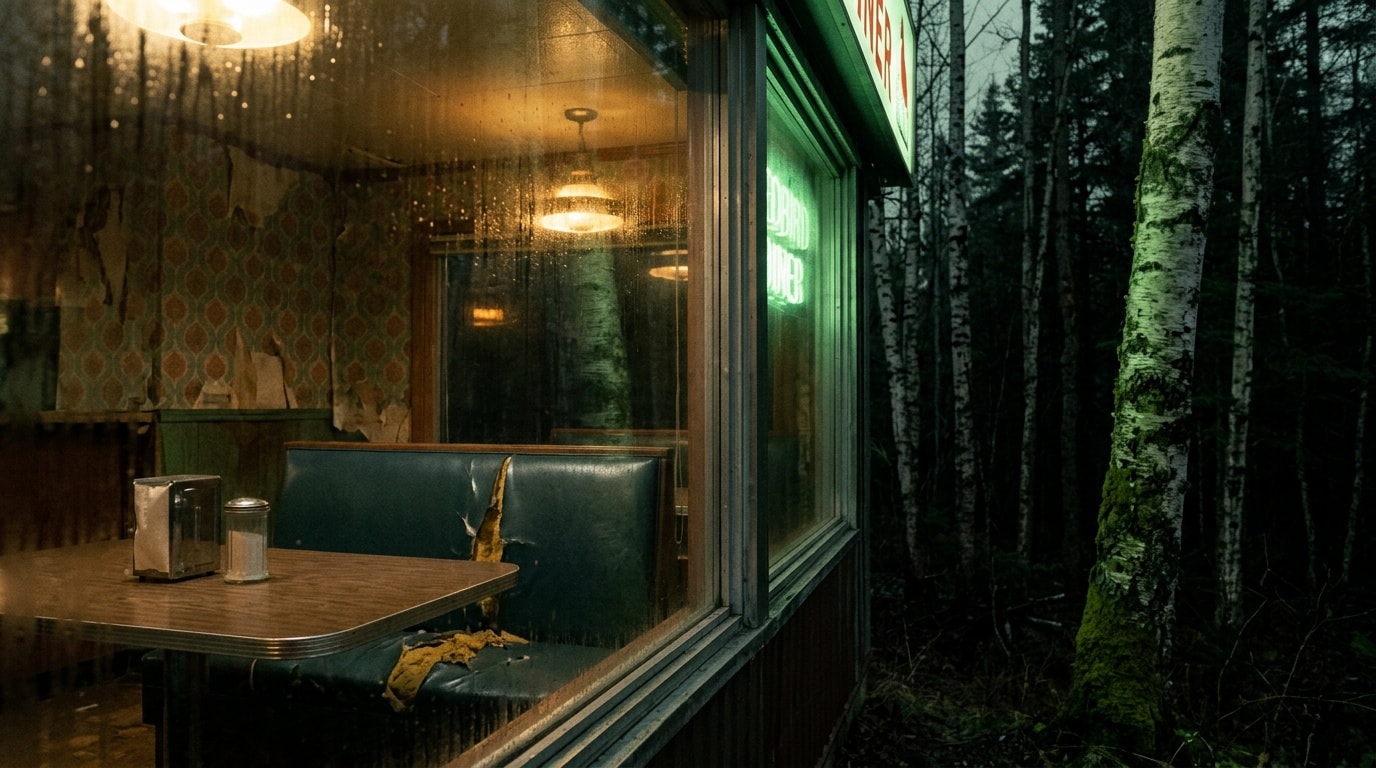
Fatima Is a Vessel, Not a Mother
Elgin is not protecting Fatima from the town's dangers.

Victor's Axe Would Sever the Town's Foundation
The Faraway Tree is a structural node in the town's supernatural system, and chopping it down would not liberate anyone but collapse something essential to how the town operates or how escape from it remains possible.
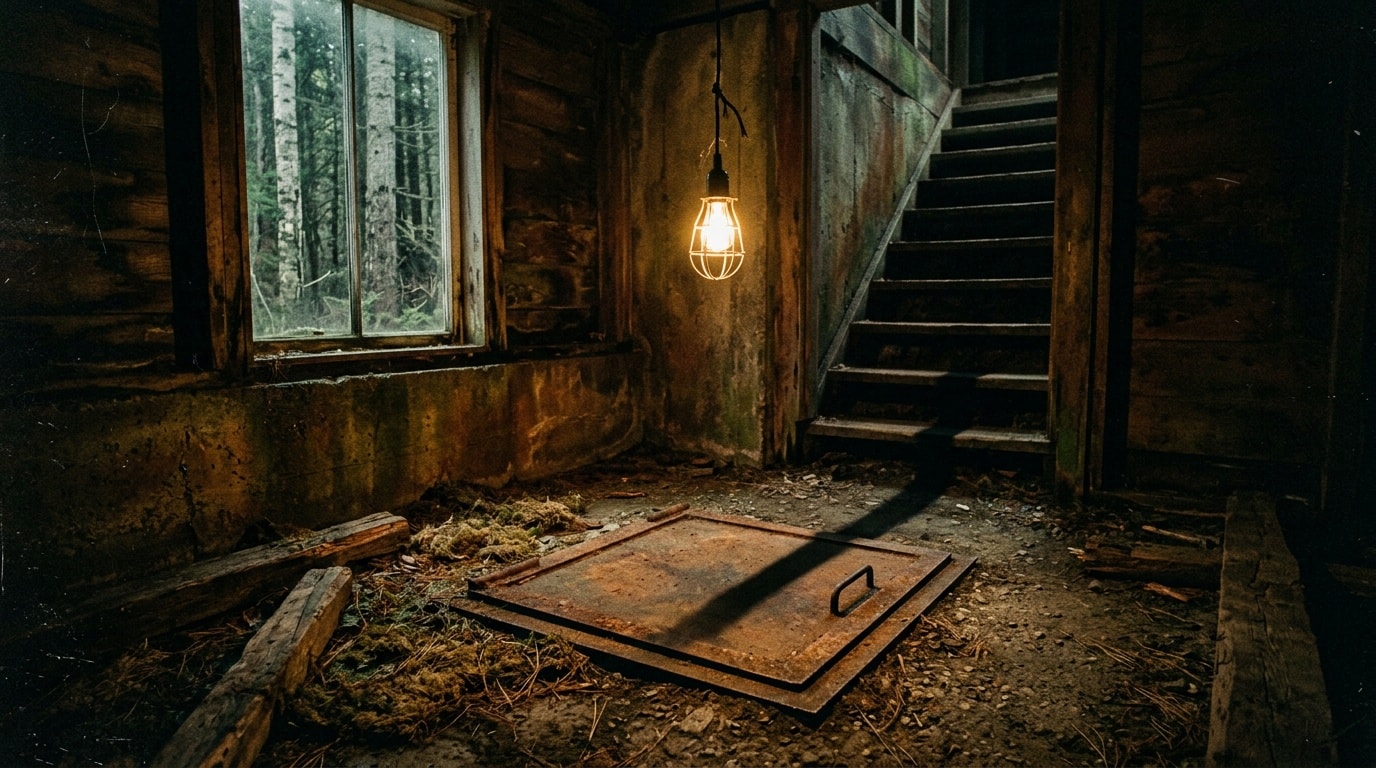
Root Cellar Hides a Second Underground Chamber
A second underground chamber or tunnel system runs beneath the Root Cellar, and Fatima has already been moved into it.

Tabitha Can Read Memories Through Touch
Tabitha can absorb memories or emotional impressions through physical contact, and her involuntary freeze upon grabbing Victor suggests she has already received decades of the town's hidden history from its most burdened witness.
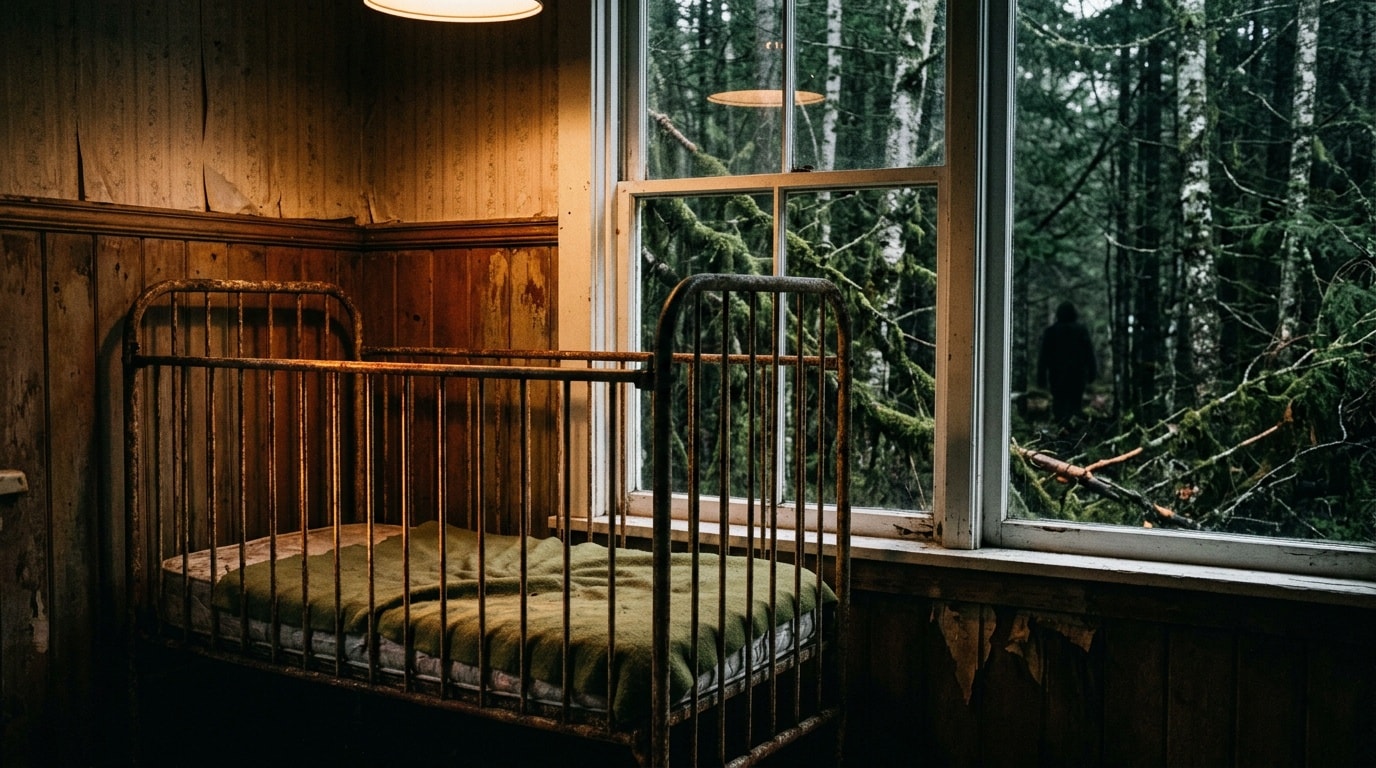
The Town Recasts Its Prisoners Across Centuries
The Town does not capture new people.