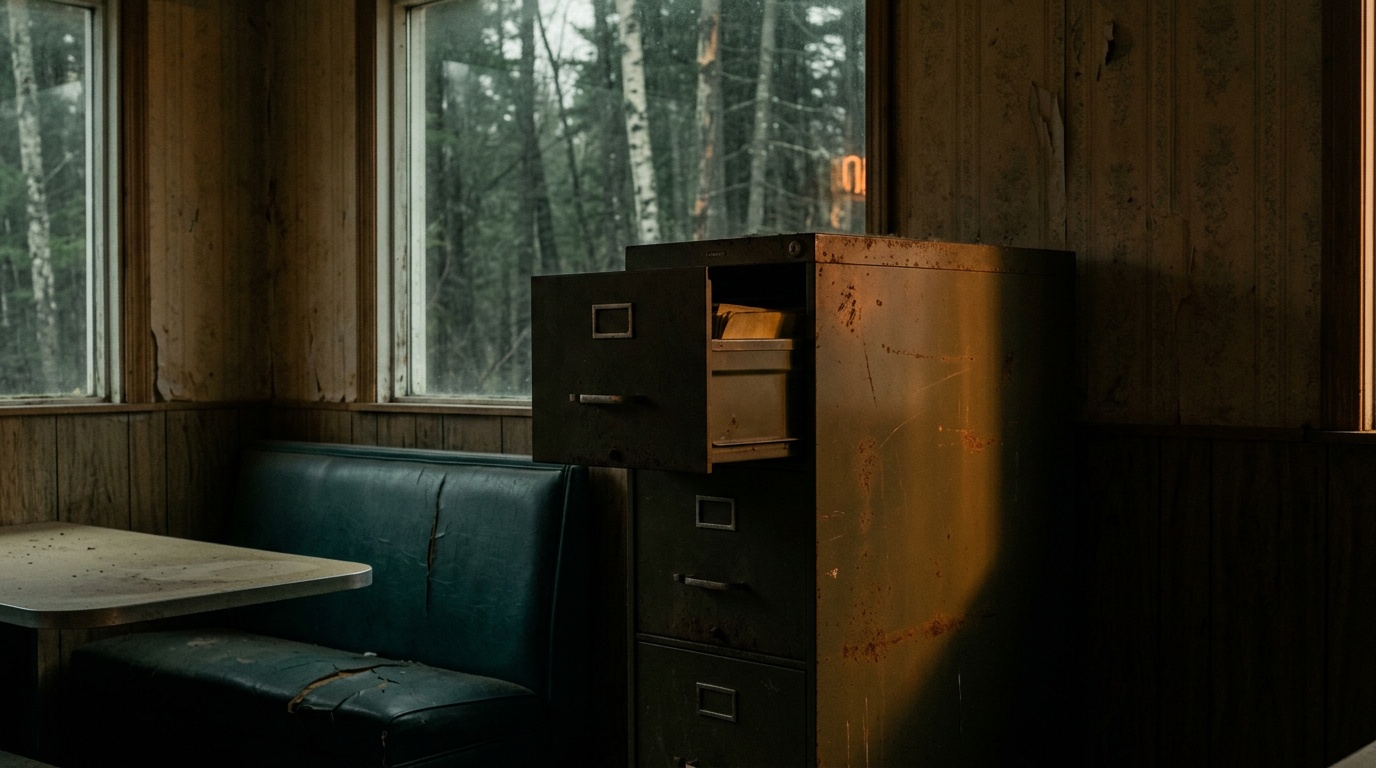
The Creatures Know More Than They Should
THE THEORY
The creatures' knowledge of individuals like Julie is not omniscient but experiential, derived from prior encounters that residents cannot remember but the creatures can. The specific mechanism the show has not provided is how a creature acquires personal memory of someone who has no corresponding memory of it. If cycles of arrival and capture repeat without survivors retaining that history, the creatures may be the only entities in Fromville with access to the full record.
How This Theory Works
The creatures possess targeted, personal knowledge of specific individuals, and the mechanism behind that knowledge is the central problem the show has not resolved. A creature addresses Julie by name and asks if she recognizes it. That question does not demonstrate omniscience. It implies the creature holds a memory of Julie that Julie herself does not hold, and it expects her to share that memory. The distinction matters: omniscience does not ask to be recognized.
The theory draws a line between surveillance and familiarity. If the creatures could access any mind at will, their behavior would be less selective. The phrasing implies something narrower: knowledge tied to prior contact, not broad awareness of the town's population. The creature is making a personal appeal to one person, which is a different kind of knowing.
Donna's knowledge of the tree the family saw on the road before being absorbed into the town sharpens this. That detail could not have traveled to Donna through ordinary channels, because the family had not yet fully arrived. Information is moving through the town's systems in ways that precede normal social contact, and it is moving with specificity about individuals. Whether the creatures and long-term residents share the same source for that information is unresolved, but both phenomena point toward a single question the show has not answered: what is the precise mechanism by which knowledge of a newcomer reaches the creatures and the town's residents before the newcomer has had the chance to be known?
The creature's phrasing places the burden of memory on Julie, not on itself. It does not say it knows her. It asks whether she recognizes it, which assumes she should. If the creatures are connected to cyclical mechanisms of capture the town does not allow residents to remember, the creatures may have encountered prior iterations of the same people. That would make their knowledge neither omniscient nor supernatural in the conventional sense, but historical. They are not reading minds. They are remembering arrivals that the arrivals themselves cannot remember.
Is this theory convincing?
Key Evidence
Creature Calls Julie By Name
A creature outside addresses Julie directly, saying 'Julie, don't you recognize me?' which demonstrates the creature knows her name and frames the interaction as a personal one.
Phrasing Implies Prior Encounter
The question 'don't you recognize me?' implies that Julie should know who or what is speaking to her, suggesting a prior relationship rather than cold omniscient knowledge.
Donna Knows About The Tree
Tabitha is shocked when Donna reveals knowledge of the tree the family saw on the road, suggesting that information about newcomers circulates through the town in ways that feel unnatural.
Knowledge Appears Targeted Not Total
The creature's address to Julie is personal and specific rather than a demonstration of broad surveillance, which is consistent with knowledge tied to individual history rather than omniscience.
Other Theories for S1E02
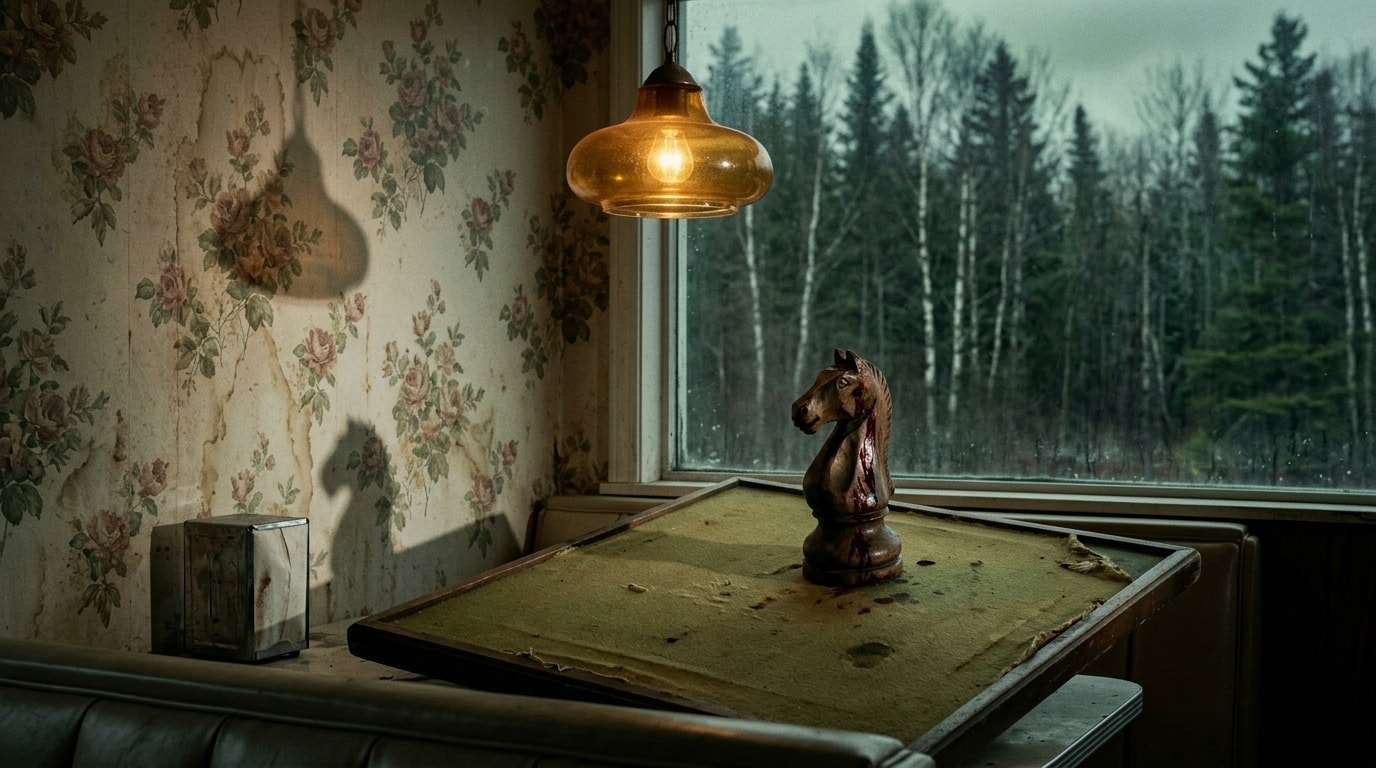
The Town Is a Chess Board
The creatures are not hunting.
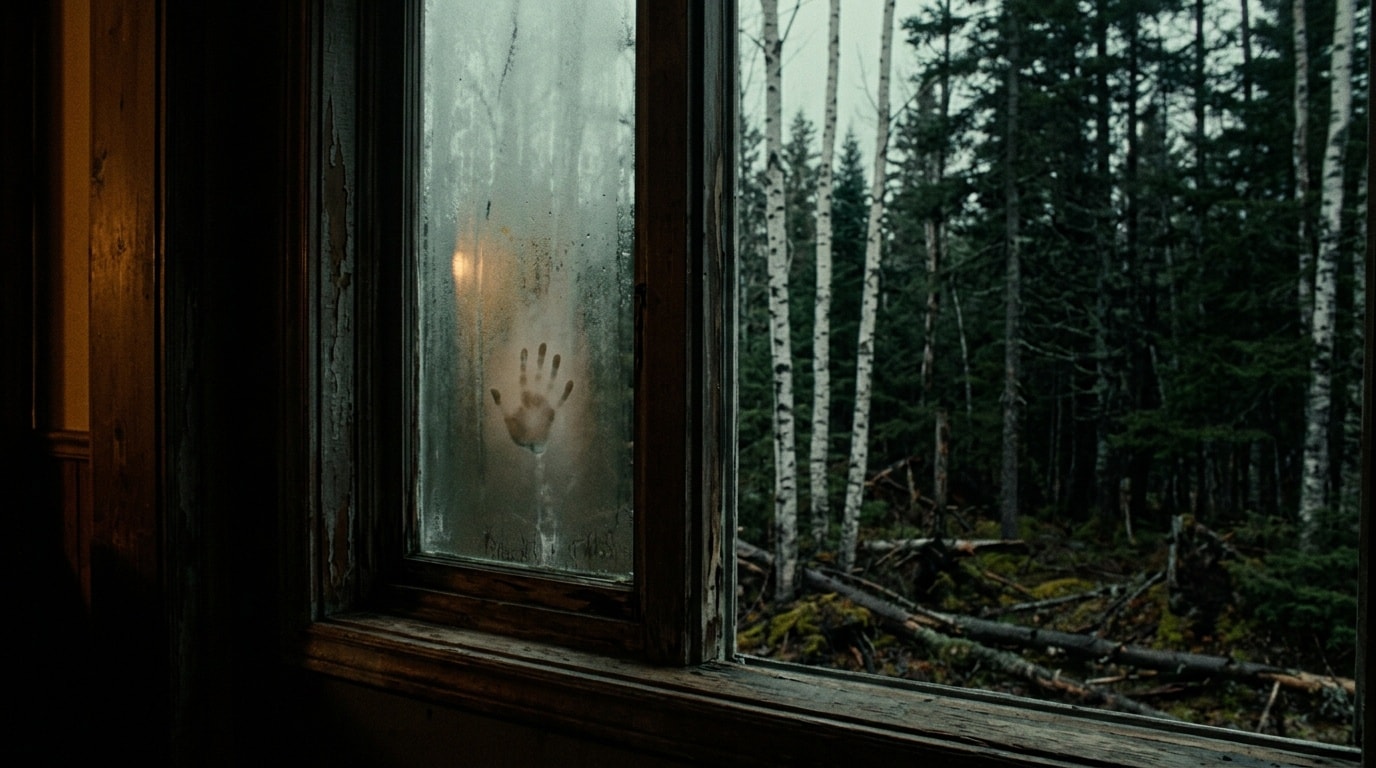
The Boy in White Watches From Outside
The Boy in White is not an unexplained anomaly but an agent of selective contact, and his choice to shush Ethan rather than any adult suggests the town's deepest communicative layer is being deliberately routed away from the residents most convinced they are close to understanding it.

Two Cars Together: A Long-Broken Pattern
The Matthews family's dual arrival broke a long-established intake pattern, and that break is likely not incidental but structurally significant to whatever mechanism governs who enters the town and when.
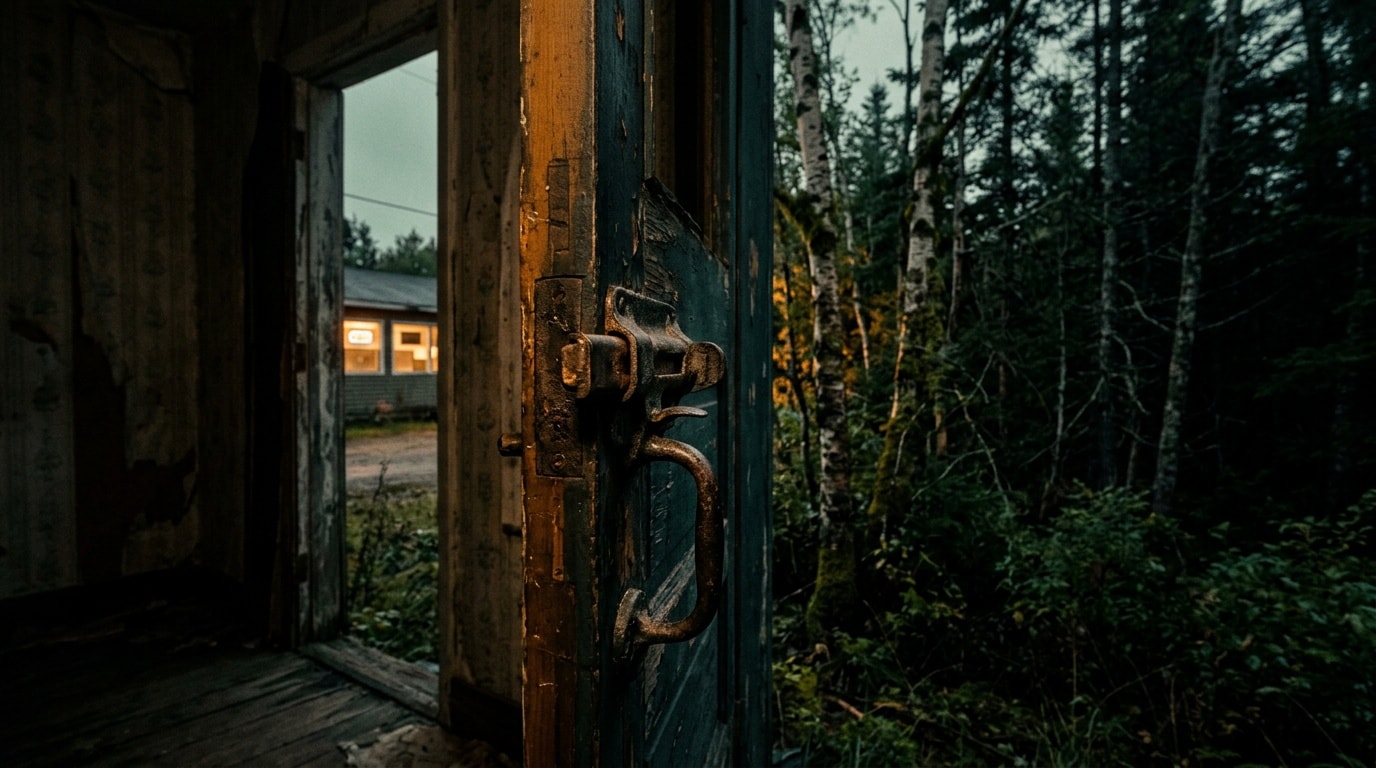
Sara: Agent of the Creatures From Within
This theory holds that Sara is not simply mentally ill but is in some meaningful relationship with the creatures, either because her psychological state renders her immune to their manipulation or because they have found a way to direct her actions from inside Colony House.